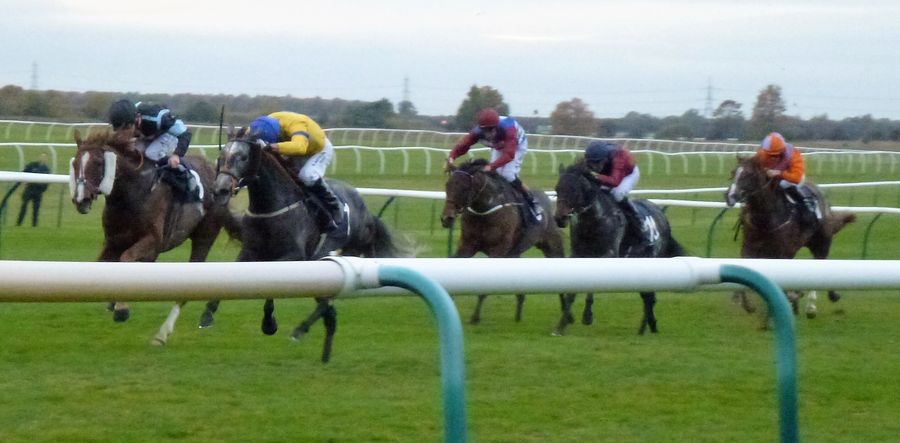
Horse racing is the traditional heart of British betting, with meetings almost every day across the UK and Ireland. The terms around the bet matter as much as the price.
Bet types: pre-match and in-play · Odds formats: fractional and decimal · UK licence: none found for Bass Win
Popular Horse Racing Markets
| Market | What it means | Worth knowing |
|---|---|---|
| Win | Your horse must win | The simplest bet |
| Each-way | Two bets: one to win, one to place | Check how many places are paid and at what fraction |
| Forecast and tricast | First two or three in the right order | Hard to land, high margins |
| Best odds guaranteed | Paid at the starting price if it is bigger than your taken price | Common at UK books, rare offshore |
| Non-runner no bet | Stake refunded if the horse does not run | Valuable on ante-post bets |
Judging the Price
Add up the implied probabilities across a market (1 divided by the decimal odds, or for fractional odds such as 10/11, 11 divided by 21). The amount above 100% is the bookmaker's margin. Compare the same market at two or three books before you bet; the difference over a season is bigger than most people expect.
UK Notes
When a horse is withdrawn late, Rule 4 deductions reduce winning bets on the rest of the field. Check how a book applies Rule 4 and whether it offers best odds guaranteed before you compare prices.
Before You Bet
- Read the each-way terms: places paid and the fraction.
- Ante-post bets usually lose your stake if the horse does not run.
- Going reports and draw bias matter more than tips.
Betting is entertainment with a cost. Set a weekly budget, never chase losses, and use the National Gambling Helpline on 0808 8020 133 if betting stops being fun.
More Sports
Claim Welcome Bonus (opens partner casino in a new tab)
Frequently Asked Questions
How does each-way work?
An each-way bet is two equal bets: one on the win and one on a place. If the horse places but does not win, only the place part pays, at the stated fraction of the odds.
What is Rule 4?
A deduction from winnings when a horse is withdrawn after the market forms, because the remaining runners' chances have improved.